
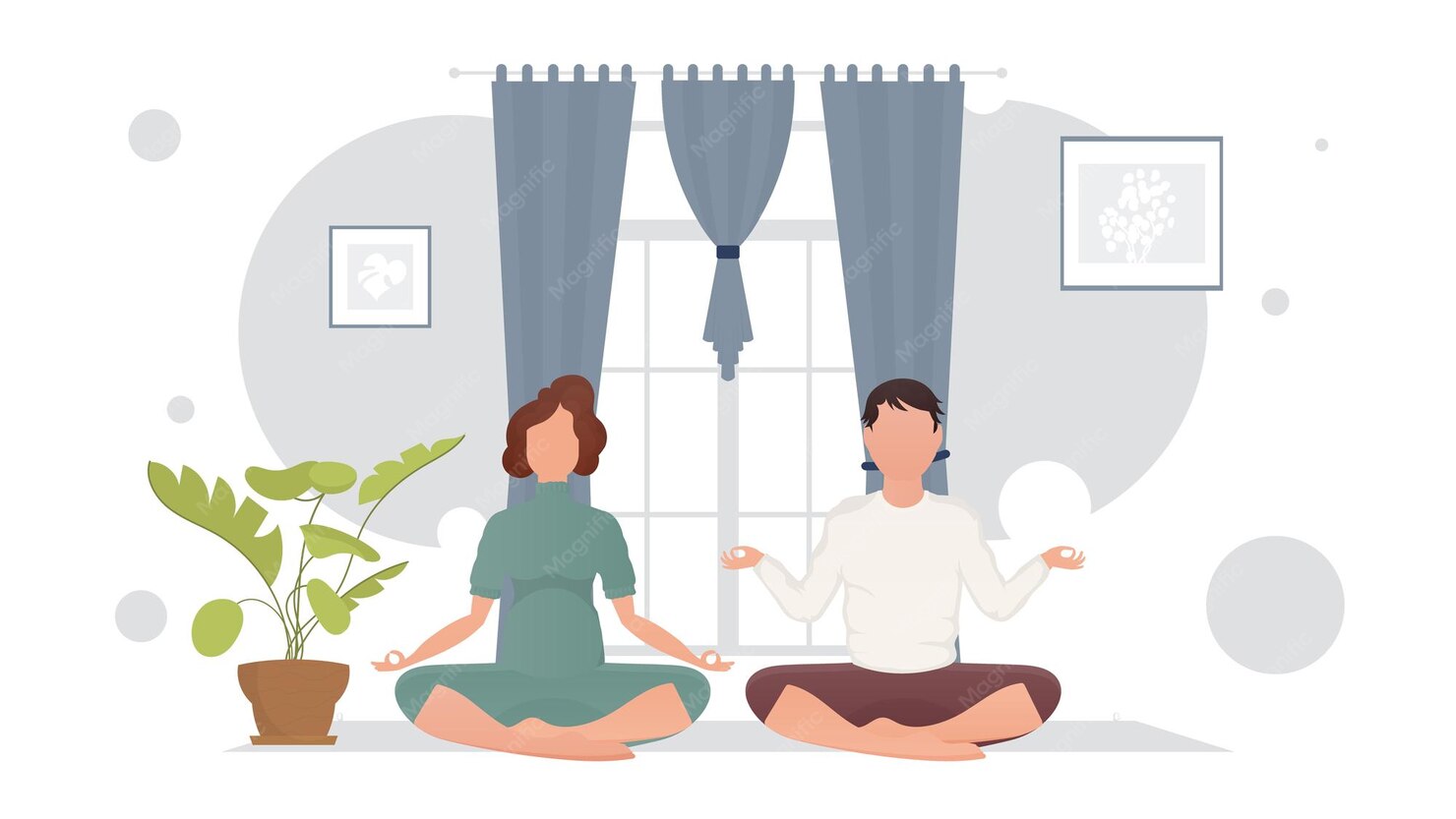
What is Guided Meditation?
Guided Meditation is a structured mindfulness practice where a teacher, therapist, or recorded voice leads you into a meditative state.
Unlike silent meditation, you are not alone with your thoughts.
You are gently directed — through breath, visualization, relaxation cues, or affirmations — into deeper awareness.
It is meditation with support.
The voice becomes an anchor.
The guidance becomes a bridge.
How Guided Meditation Works
Guided meditation works through three primary mechanisms:
1. Attention Direction
The guide tells you where to place awareness:
Breath
Body sensations
Visual imagery
Emotional states
This reduces mental wandering.
2. Nervous System Regulation
A calm voice, steady pacing, and rhythmic breathing cues activate the parasympathetic nervous system — lowering stress and heart rate.
3. Subconscious Repatterning
When deeply relaxed, the brain enters alpha and theta states.
In this state, positive suggestions and affirmations penetrate more effectively.
It is not hypnosis — but it gently bypasses overthinking.
Types of Guided Meditation
1. Relaxation Meditation
Focus: Stress reduction
Method: Breath awareness, progressive muscle relaxation
2. Visualization Meditation
Focus: Mental imagery
Method: Imagining peaceful landscapes or successful outcomes
3. Body Scan Meditation
Focus: Sensory awareness
Method: Gradual attention across body parts
4. Loving-Kindness Meditation (Metta)
Focus: Compassion
Origin: Teachings of Gautama Buddha
Method: Repeating phrases of goodwill
5. Trauma-Sensitive Meditation
Focus: Emotional safety
Method: Grounding techniques, present-moment anchoring
6. Spiritual Guided Meditation
Focus: Higher consciousness, alignment
Method: Inner light, chakra visualization, or soul-based affirmations
Who Should Practice Guided Meditation?
Beginners who struggle with silent meditation
Individuals with anxiety or racing thoughts
Trauma survivors needing structured support
Professionals dealing with burnout
Couples working on emotional connection
For therapeutic spaces like Atmaikya, guided meditation integrates beautifully with counseling and trauma healing work — gently aligning mind, body, and awareness.
Benefits of Guided Meditation
Mental Benefits
Reduced anxiety
Improved focus
Emotional regulation
Reduced rumination
Physical Benefits
Lower blood pressure
Improved sleep
Relaxed muscles
Emotional Benefits
Greater self-compassion
Deeper self-awareness
Improved relationship empathy
Step-by-Step Beginner Practice (10 Minutes)
Sit or lie comfortably.
Close your eyes.
Start a guided meditation audio.
Follow the voice without analyzing.
If distracted, gently return to the instructions.
That’s it.
No force.
No performance.
Sample Short Guided Script (Example)
Take a slow breath in…
And gently exhale…
Feel your body supported by the surface beneath you…
Notice the rhythm of your breath…
If thoughts arise, let them pass like clouds…
You are safe…
You are steady…
You are here…
This simplicity creates profound calm.
How Often Should You Practice?
Daily 5–20 minutes for maintenance
During stress spikes
Before sleep
Before important conversations
Consistency matters more than duration.
How Often Should You Practice?
-
Daily 5–20 minutes for maintenance
-
During stress spikes
-
Before sleep
-
Before important conversations
Consistency matters more than duration.
| Aspect | Guided | Silent |
|---|---|---|
| Support | External voice | Self-directed |
| Best For | Beginners | Experienced practitioners |
| Mind Wandering | Less | More (initially) |
| Structure | High | Flexible |
Advanced Use in Therapy & Healing
Guided meditation is increasingly used in:
Trauma processing
Anxiety disorders
Relationship repair
Inner child work
Somatic regulation
When the body feels safe, healing accelerates.
A Gentle Reflection
Guided meditation is like holding someone’s hand in the dark —
until your eyes adjust to the light.
The voice fades.
Awareness remains.
And slowly, you realize…
calm was always within you.