
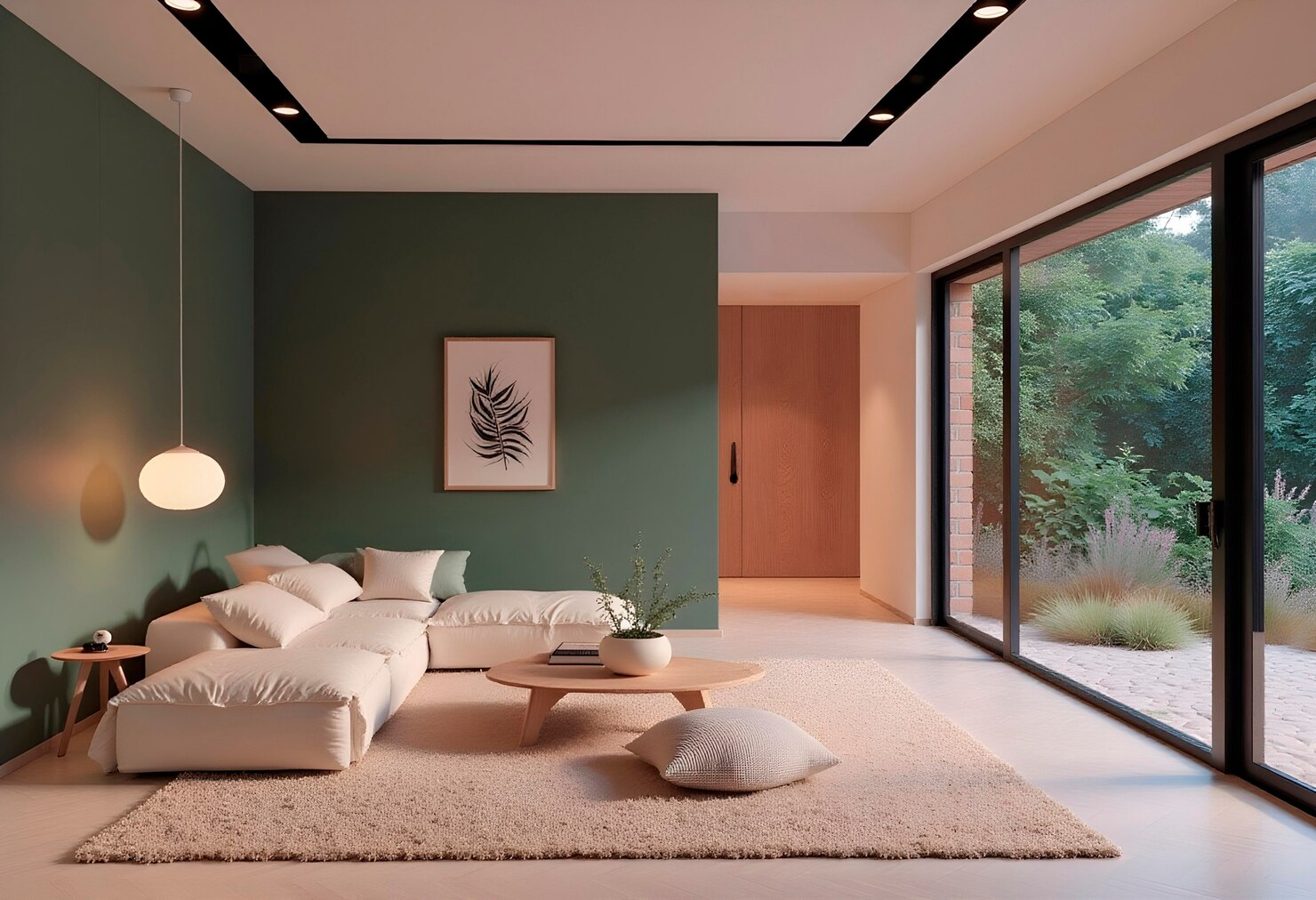
Colors play an important role in influencing human emotions, mood, and the energy of a space. In Vastu Shastra, colors are not chosen only for decoration; they are considered an essential element for balancing the natural energies of a building. Proper use of colors can help create harmony between the five elements—Earth, Water, Fire, Air, and Space—and the directions of a home or office.
Vastu color balancing refers to the use of specific colors in different directions and rooms to maintain positive energy flow. When colors are selected according to Vastu principles, they may help improve comfort, productivity, mental clarity, and overall well-being.
In modern apartments and offices where structural changes may not be possible, color balancing is often used as a simple and effective Vastu correction technique.
What is Vastu Color Balancing?
Vastu color balancing is the practice of selecting colors based on directional energies and natural elements.
Each direction in Vastu is associated with a particular element and corresponding color range. Using appropriate colors in each area helps maintain harmony within the space.
For example:
- The North direction is associated with water energy and is often linked with blue or green colors.
- The South-East direction represents fire energy and is often associated with red or orange tones.
- The South-West direction represents earth energy and works well with earthy colors.
By applying these color principles, Vastu aims to create a balanced environment that supports positive energy flow.
Importance of Colors in Vastu
Colors influence both the psychological and energetic environment of a space.
In Vastu Shastra, proper color selection is believed to:
- Improve the energy balance of a room
- Enhance mood and emotional well-being
- Support productivity and focus
- Encourage harmony and peace
- Complement the directional energies of a building.
Because of these influences, colors are often used as Vastu remedies when structural changes are not possible.
The Five Elements and Their Colors
Vastu Shastra is based on the balance of five natural elements.
Each element is connected with specific colors.
|
Element |
Direction |
Associated Colors |
|
Water |
North |
Blue, light blue |
|
Fire |
South-East |
Red, orange |
|
Earth |
South-West |
Brown, beige, earthy tones |
|
Air |
North-West |
Light grey, white |
|
Space |
Center |
Light yellow, cream |
Using colors that match the energy of each direction helps maintain balance within a building.
Direction-Based Color Recommendations
North Direction
The North direction is associated with wealth, opportunities, and financial growth.
Recommended colors:
- Light green
- Blue
- Mint green
These colors represent freshness and growth.
Avoid very dark or heavy colors in this area.
East Direction
The East direction represents health, vitality, and new beginnings.
Recommended colors:
- White
- Light yellow
- Soft green
These colors help create a bright and energetic atmosphere.
South Direction
The South direction is associated with strength and stability.
Recommended colors:
- Red
- Terracotta
- Light maroon
These colors should be used moderately to avoid overwhelming the space.
West Direction
The West direction represents gains and success.
Recommended colors:
- White
- Light grey
- Cream
These neutral tones help maintain a calm and balanced environment.
North-East Direction
The North-East corner is considered the most sacred and spiritually important direction.
Recommended colors:
- Light yellow
- White
- Cream
These colors promote calmness and clarity.
Avoid dark colors or heavy decorations in this area.
South-East Direction
The South-East direction is connected with the fire element and is ideal for kitchens.
Recommended colors:
- Orange
- Light red
- Peach
These colors represent warmth and energy.
South-West Direction
The South-West direction symbolizes stability, strength, and relationships.
Recommended colors:
- Brown
- Beige
- Mustard
- Earthy tones
These colors create a sense of grounding and stability.
North-West Direction
The North-West direction is associated with movement and communication.
Recommended colors:
- White
- Light grey
- Cream
These colors help maintain balance and airflow.
Vastu Colors for Different Rooms
Living Room
The living room is the central gathering space in a home.
Recommended colors:
- Cream
- Light yellow
- Light green
- Beige
These colors create a welcoming and comfortable atmosphere.
Bedroom
Bedrooms should promote relaxation and restful sleep.
Recommended colors:
- Light blue
- Pastel green
- Soft pink
- Lavender
Avoid bright red or very dark colors in bedrooms.
Kitchen
The kitchen represents the fire element.
Recommended colors:
- Orange
- Peach
- Light red
Avoid dark blue or black in the kitchen as these represent water energy.
Bathroom
Bathrooms should feel clean and fresh.
Recommended colors:
- White
- Light grey
- Light blue
These colors create a sense of cleanliness and calm.
Study Room or Office
Workspaces require focus and concentration.
Recommended colors:
- Light green
- Light yellow
- Cream
These colors encourage clarity and productivity.
Vastu Colors for Offices
In offices, colors can influence productivity and employee mood.
Recommended office colors include:
- White for clarity
- Light blue for calmness
- Light green for growth and creativity
- Cream for balance.
Avoid overly dark or intense colors that may create stress.
Using Colors as Vastu Remedies
When structural changes are not possible, colors can be used as simple Vastu corrections.
Examples include:
- painting walls with appropriate directional colors
- using colored furniture or décor
- adding colored curtains, rugs, or artwork.
These small adjustments can help balance energy without major renovations.
Tips for Effective Vastu Color Balancing
To apply Vastu color principles effectively, consider the following tips:
- Use light and natural colors whenever possible.
- Avoid very dark or heavy color schemes.
- Maintain color harmony across rooms.
- Use accent colors instead of overwhelming the entire room.
A balanced color palette helps maintain a calm and comfortable environment.
Common Color Mistakes to Avoid
Some common mistakes in color selection include:
- using very dark colors in small rooms
- excessive use of red or black
- ignoring directional color recommendations
- mixing too many contrasting colors.
Maintaining simplicity and balance is key.
Conclusion
Vastu color balancing is an important aspect of Vastu Shastra that focuses on harmonizing the energies of a space through thoughtful color selection. By aligning colors with the five elements and directional energies, it is possible to create environments that feel balanced, comfortable, and supportive.
Whether in homes, apartments, or offices, the use of appropriate colors can help improve mood, productivity, and overall well-being. Simple changes such as choosing light and natural tones, applying direction-based colors, and avoiding overly dark shades can significantly enhance the energy of a space.
Although color balancing alone cannot replace proper architectural planning, it remains one of the easiest and most effective Vastu techniques for improving the atmosphere of any living or working environment.