
Vastu Shastra is an ancient Indian science of architecture that focuses on creating harmony between living spaces and natural energies. In modern buildings, it is not always possible to design homes or offices perfectly according to Vastu principles. To address these challenges, various Vastu remedies are used to balance energies, and one of the most popular remedies is the Vastu Pyramid.
Vastu pyramids are believed to help correct energy imbalances, neutralize negative vibrations, and improve the flow of positive energy within a space. These pyramids are widely used in homes, offices, shops, and commercial establishments as a non-structural solution for Vastu defects.
In this article, we will explore the concept of Vastu pyramids, their benefits, types, and proper placement methods.
What Are Vastu Pyramids?
A Vastu pyramid is a small pyramid-shaped structure made from materials such as plastic, copper, brass, wood, or crystal. The pyramid shape is believed to create a powerful energy field that helps balance the flow of energy in a particular area.
The pyramid structure has been considered powerful in many ancient cultures because of its geometric form. According to energy theories, the pyramid shape helps concentrate cosmic energy and distribute it evenly within a space.
In Vastu practices, pyramids are used as energy correction tools when structural changes are not possible.
Why Pyramid Shape Is Important
The pyramid shape is believed to influence energy flow because of its unique geometric design.
Key reasons why pyramids are used:
- They concentrate energy at the apex.
- They stabilize surrounding energy fields.
- They help neutralize negative vibrations.
- They improve the overall energy balance of a space.
Because of these properties, Vastu practitioners use pyramids as simple remedies for correcting directional imbalances.
Benefits of Vastu Pyramids
Many people use Vastu pyramids to improve the energy environment of homes and workplaces.
Some commonly believed benefits include:
1. Energy Balancing
Vastu pyramids help balance energy in spaces where Vastu guidelines are not followed.
2. Reduction of Negative Energy
They are believed to neutralize negative vibrations caused by improper room placements or structural defects.
3. Improved Productivity
In offices, pyramids are sometimes used to improve concentration, focus, and productivity.
4. Financial Stability
Some Vastu experts believe pyramids can help enhance financial flow when placed in appropriate directions.
5. Stress Reduction
Balanced energy environments may contribute to calmer and more comfortable living or working spaces.
Types of Vastu Pyramids
Different types of pyramids are used depending on the purpose and location.
1. Plastic Vastu Pyramids
These are the most commonly used pyramids.
Features:
- Lightweight and affordable
- Often used in sets
- Easy to install in homes and offices
They are usually placed in ceilings, walls, or floors.
2. Copper Vastu Pyramids
Copper pyramids are believed to conduct energy more effectively.
Benefits include:
- strong energy conductivity
- long durability
- used in advanced Vastu corrections.
They are often placed in important locations such as entrances or central areas.
3. Crystal Pyramids
Crystal pyramids are often used for spiritual and decorative purposes.
Common crystals include:
- Clear quartz
- Amethyst
- Rose quartz
They are believed to enhance positive vibrations and mental clarity.
4. Multi-Layer Pyramids
Some pyramids contain multiple smaller pyramids within a larger structure.
These are often called multi-layer or energy pyramids and are used for stronger energy corrections.
5. Pyramid Grid Systems
In some cases, several pyramids are placed together to create a grid pattern.
This method is used when a space has major Vastu defects.
How Vastu Pyramids Work
According to Vastu concepts, pyramids influence energy through shape and geometric alignment.
The pyramid structure is believed to:
- attract cosmic energy from the environment
- focus the energy toward its center
- distribute balanced vibrations throughout the surrounding space.
Although these concepts come from traditional practices, many people use pyramids as symbolic tools for energy balancing and positive intention.
Where to Place Vastu Pyramids
Placement of pyramids is important for achieving desired results.
Below are some commonly recommended locations.
1. Entrance Area
Placing pyramids near the entrance can help improve energy entering the building.
Benefits include:
- improved positivity
- welcoming atmosphere
- balanced energy flow.
Pyramids can be placed:
- above the door frame
- near the entrance wall.
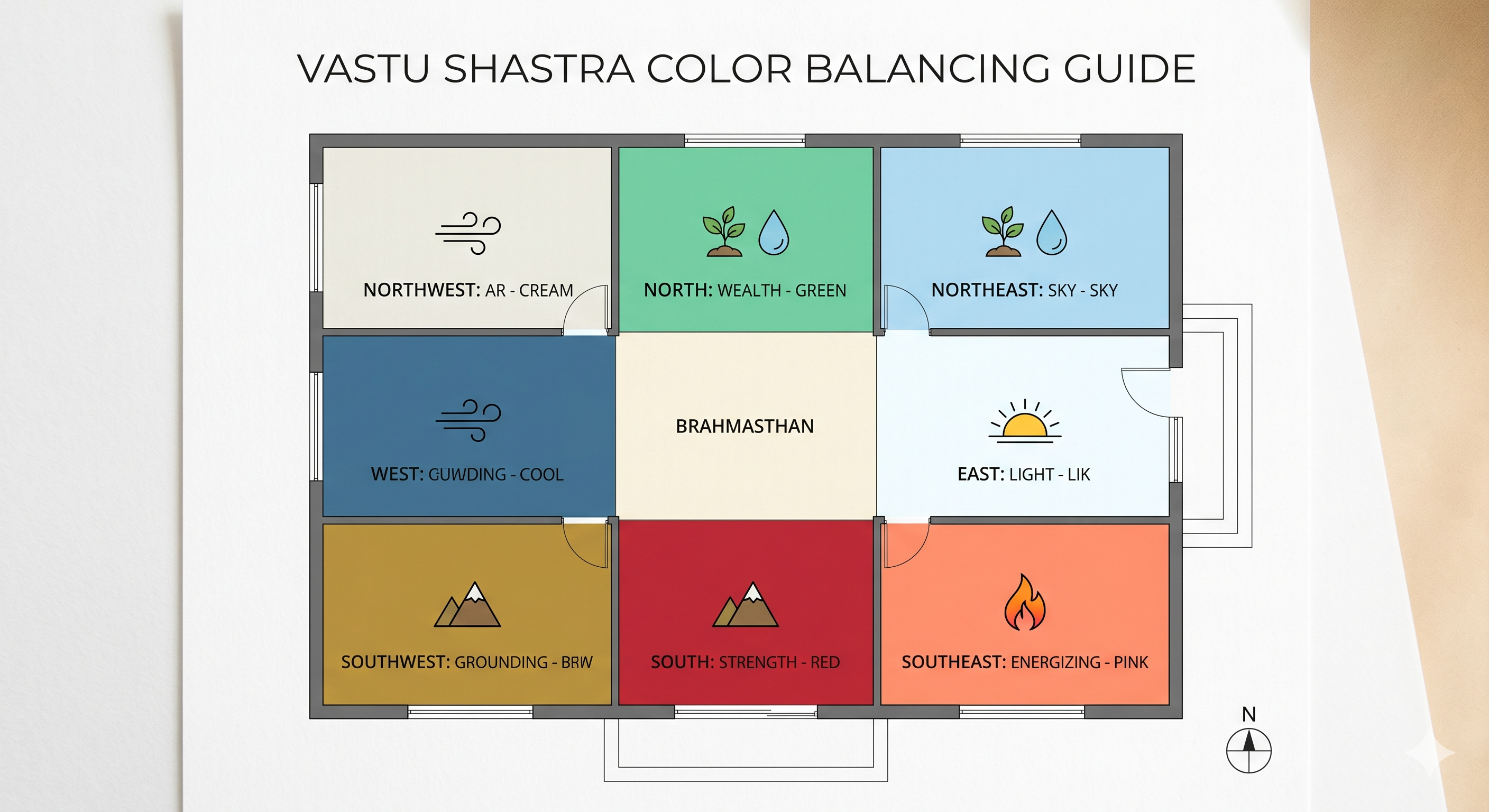
2. Center of the Home (Brahmasthan)
The center of the house is considered the energy core.
If this area is blocked or has heavy furniture, pyramids may be used to improve energy flow.
3. North-East Direction
The North-East direction represents spiritual energy and clarity.
Placing pyramids here may help enhance:
- peace
- meditation
- spiritual activities.
4. Office Desk or Work Area
Small pyramids are often placed on office desks.
Possible benefits include:
- better focus
- improved concentration
- organized thinking.
5. South-West Direction
The South-West direction represents stability and strength.
Pyramids in this area may help support leadership and decision-making.
6. Kitchen Area
If the kitchen is not located in the ideal direction, pyramids may be used as an energy correction tool.
They can be placed on:
- kitchen shelves
- walls
- cabinets.
7. Bedrooms
Small pyramids are sometimes used in bedrooms to create calm energy.
They may be placed:
- on bedside tables
- on shelves.
Avoid placing too many pyramids near the bed.
Using Pyramid Grids for Vastu Corrections
In some cases, a pyramid grid is used to correct major Vastu defects.
This involves placing multiple pyramids in a pattern within the floor or ceiling.
The grid method is commonly used for:
- apartments with improper entrance directions
- toilets in unfavorable directions
- kitchens in incorrect locations.
Professional Vastu guidance is often recommended when using pyramid grids.
Tips for Using Vastu Pyramids
When using pyramids, consider the following tips:
- Place them in clean and organized areas.
- Avoid placing them in cluttered spaces.
- Use pyramids as supportive remedies rather than replacements for good design.
- Do not overcrowd a space with too many pyramids.
Maintaining balance is important.
Common Myths About Vastu Pyramids
Many misconceptions exist regarding pyramids.
Myth 1: Pyramids Can Solve All Problems
Vastu pyramids are only supportive tools and should be used along with proper planning and organization.
Myth 2: More Pyramids Give Better Results
Using too many pyramids may not necessarily improve energy.
Myth 3: Pyramids Replace Vastu Planning
Good architectural design and proper layout remain the most important factors.
Vastu Pyramids for Homes and Offices
Pyramids are used in both residential and commercial spaces.
In Homes
They are often used for:
- correcting directional defects
- improving peace and harmony
- balancing energy flow.
In Offices
They may be used to support:
- productivity
- financial stability
- leadership energy.
Conclusion
Vastu pyramids are widely used as energy correction tools in homes, offices, and commercial spaces. Their pyramid shape is believed to concentrate and balance energy, making them a popular remedy for Vastu defects.
While pyramids cannot replace proper architectural planning, they can serve as supportive tools for improving the overall energy environment of a space. When used thoughtfully along with other Vastu principles—such as proper placement of furniture, appropriate colors, and clutter-free spaces—they may contribute to a more balanced and harmonious environment.
Understanding the correct placement and purpose of Vastu pyramids can help individuals make informed decisions when applying Vastu remedies in their living or working spaces.